

 Spotify
 Apple Podcasts
 Youtube Music
 Amazon Music
 Audible
 The Next 50 Years Of Safe Drinking Water
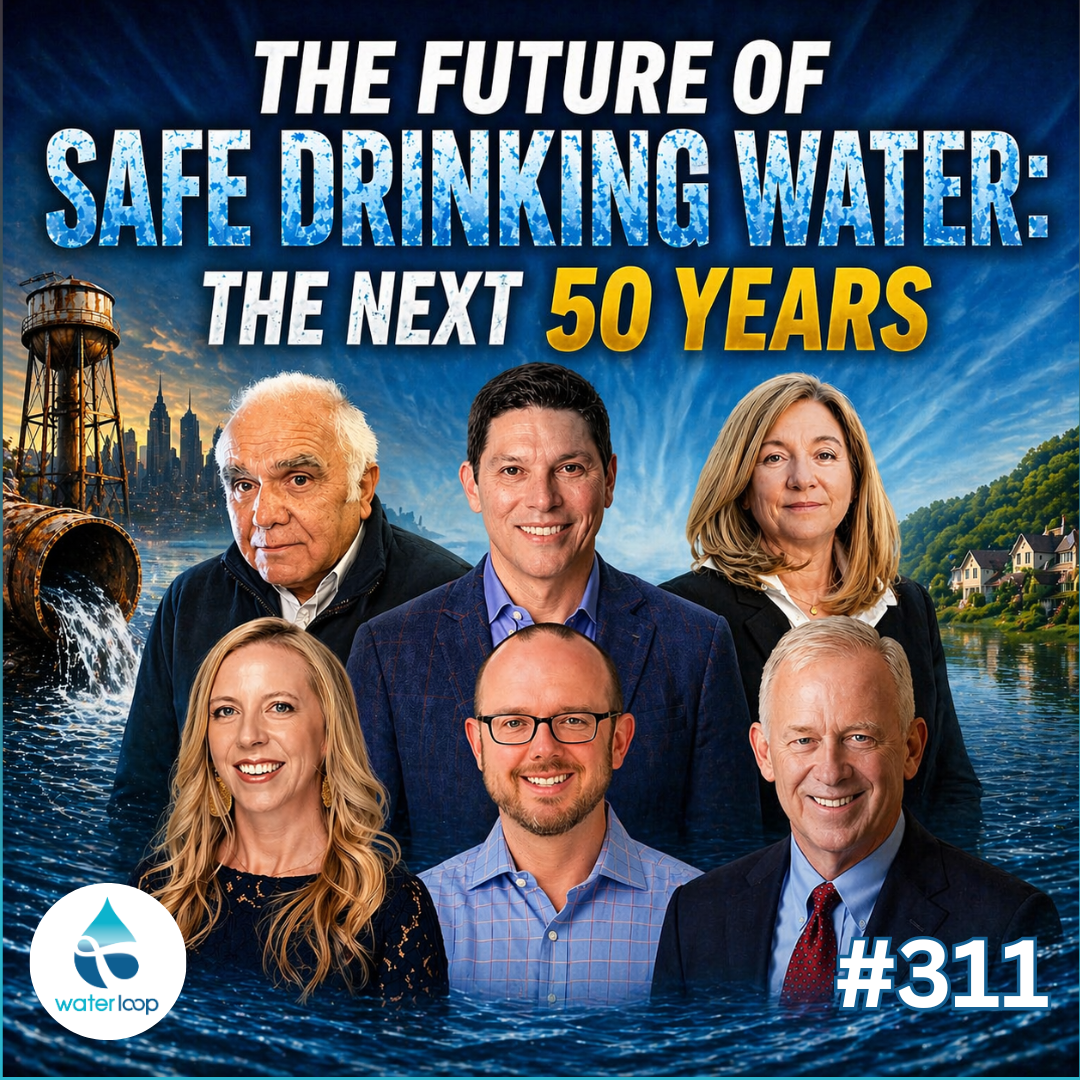
A group of top water experts is challenging one of the core assumptions behind U.S. drinking water policy—that chasing ever-smaller traces of contaminants is the best way to protect public health—and instead calling for a fundamental shift toward fixing pipes, strengthening systems, and prioritizing the risks that actually matter most.
In this episode, members of the Water Health Advisory Council lay out a bold path forward through their new book Safe Drinking Water Act: The Next Fifty Years.
The group—bringing decades of experience across policy, science, and utility leadership—argues the next era must shift from a “regulatory treadmill” to prioritizing real-world risks like failing pipes, workforce gaps, and system resilience. Their Madison Declaration calls for science-based risk prioritization, stronger governance, and treating safe water as a human right, with equity at the center of decision-making.
The conversation highlights how public trust is eroding—not because water is less safe, but because communication tools like consumer confidence reports often confuse rather than inform.
It also makes the case for major structural changes, including utility consolidation to improve performance, smarter investment in infrastructure over ever-lower contaminant thresholds, and aligning funding with actual public health outcomes.
At its core, the message is clear: the next 50 years of drinking water policy won’t be solved by chemistry alone—it will require rethinking how systems are governed, funded, and trusted by the public.