a nonprofit news outlet
waterloop

Videos

Oct. 10, 2026

How Eagle County Is Making Turf Replacement Easier
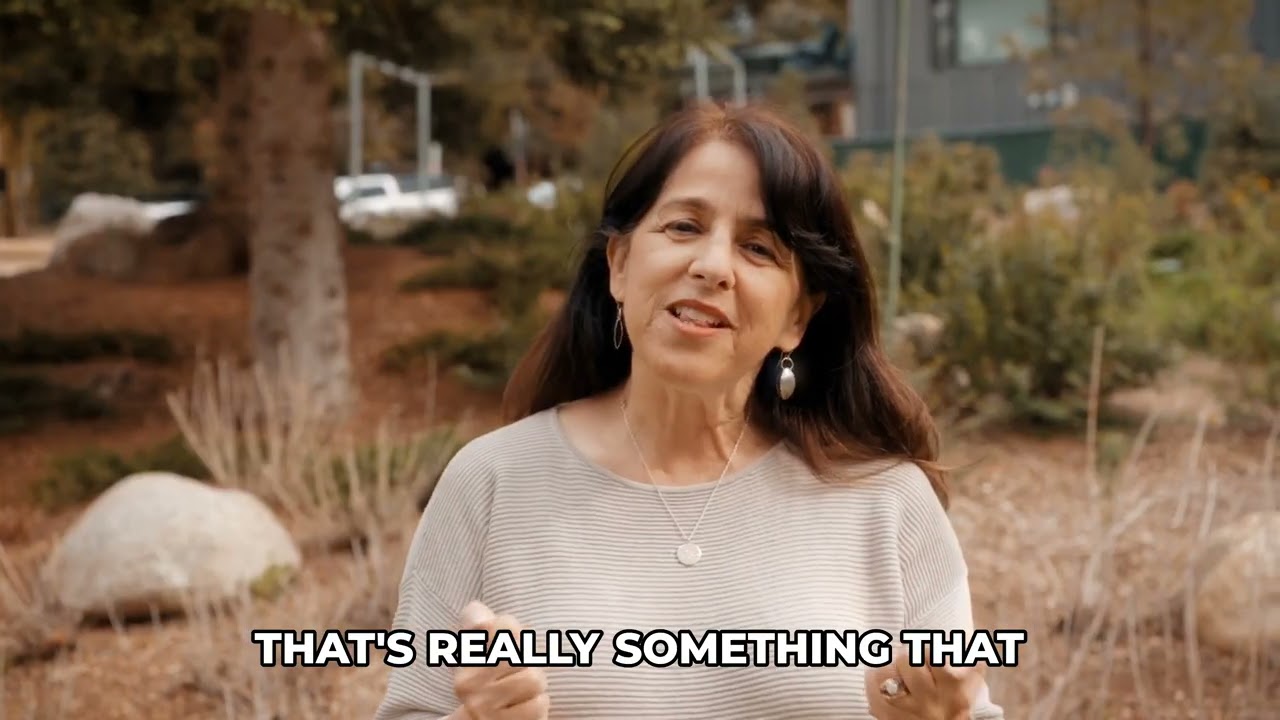
Eagle County is finding that turf replacement works better when residents get more than a rebate. Cynthia Koehler of WaterNow points to the Beyond Lawn program as a model because it pairs financial incentives with on-site audits and property-specific guidance. Those evaluations help homeowners see where nonfunctional turf can be…
View more
Oct. 10, 2026

How Greeley Is Using Smart Meters To Save Water

Greeley is turning a massive meter replacement project into a water-conservation strategy. Victoria Arling of WaterNow explains how the city used about $3.5 million in federal WaterSMART grants to help modernize nearly 27,000 water meters with advanced metering infrastructure, or AMI. The new system gives customers near-real-time information about their…

View more
Oct. 10, 2026

How Denver Water Is Financing Distributed Water Infrastructure

Denver Water’s lead service line replacement program is also testing a financing model with implications far beyond lead pipes. Cynthia Koehler of WaterNow explains how Denver Water is using long-term financing to accelerate replacement of customer-owned lead service lines rather than relying only on annual operating budgets. The approach is…

View more
Oct. 10, 2026

How UNC Greeley Turned A Lawn Into A Water-Wise Park

A mostly unused lawn at the University of Northern Colorado is being turned into a more useful public space while saving nearly 2 million gallons of water a year. Victoria Arling of WaterNow explains how Greeley, UNC, and project partners reworked the campus North Lawn from high-water-use bluegrass into a…

View more
Oct. 10, 2026

How Aurora Uses Health Professionals To Build Trust In Water

Aurora is testing a different way to build trust around water: bring public-health professionals directly into the conversation. Victoria Arling of WaterNow explains how Aurora Water, Metro Water Recovery, the Aurora Health Alliance, and River Network created the Water Champion Alliance for a city where more than 180 languages are…

View more
Oct. 10, 2026

How Summit County Uses Nonprofits To Expand Water Conservation

Small mountain utilities are being asked to do more than operate pipes, pumps, and tanks. They are also expected to run conservation programs, manage rebates, engage residents, and build public trust. Cynthia Koehler of WaterNow says the High Country Conservation Center shows how a regional nonprofit can provide that missing…

View more
Oct. 10, 2026

How Boulder Is Rethinking Water Conservation Outreach

Boulder has spent decades building strong water-conservation programs, but the next challenge is making sure more residents actually see themselves in them. Victoria Arling of WaterNow explains how the city is rethinking conservation outreach in a community where renters make up a large share of the population and the University…

View more
Oct. 10, 2026

How Broomfield Built Water Conservation Into Future Growth

Broomfield is trying to lock water conservation into future growth before new demand becomes harder to unwind. Victoria Arling of WaterNow explains how the City and County of Broomfield developed a new landscape ordinance for new development and redevelopment, where outdoor irrigation has accounted for roughly 60 to 70 percent…

View more
Oct. 10, 2026

How Small Communities Get More From Collaborative Water Projects

Small water projects rarely attract the attention given to major treatment plants, but limited staff and tight budgets can make early collaboration especially valuable. Sherri Leonard, director of collaborative delivery at Water Resources Group, says the approach can help communities of every size get more from their infrastructure investment. Collaborative…

View more
Oct. 9, 2026

How Much of Your Body Is Actually Water?

How much of YOU is actually water? We hit Water Street outside the Reservoir Center for Water Solutions in Washington, D.C., to find out how well people know their own H2O. The guesses were generous: 70%, 80%, 90% — even 98%. The actual answer for an average adult? About 60%.…

View more
Oct. 9, 2026

How To Be Sure Drinking Water Stays Safe

Water quality monitoring doesn’t stop at the treatment plant. At the Hach booth at WEFTEC, I looked at a compact system designed to continuously track drinking water as it moves through a utility’s distribution network. The panel monitors six key indicators—chlorine, turbidity, pH, conductivity, pressure and temperature—giving operators an earlier…

View more
Oct. 8, 2026

Why Aurora Water Is Turning To Health Professionals As Trusted Messengers

A doctor may be more persuasive on water quality than a utility. Shonnie Cline of Aurora Water says that reality is shaping how the city communicates about drinking water, treatment and reuse. Aurora Water and Metro Water Recovery have partnered with the Aurora Health Alliance to bring public-health professionals directly…

View more
Oct. 7, 2026

How Boulder Is Reaching More People With Water Conservation

Boulder has cut per-capita water use by about 30 percent since the severe drought of 2002, but the next challenge is reaching the people who do not necessarily hear from the utility through traditional channels. Neal Lurie of Resource Central says effective conservation outreach has to account for how differently…

View more
Oct. 6, 2026

How Summit County Builds Water Conservation Through Partnerships

In Summit County, water conservation is being organized across town lines. Heather Allen of the High Country Conservation Center says the nonprofit can design programs, pursue grants and work directly with residents—but it still needs municipalities and water providers to supply funding, political support and local capacity. That partnership helps…

View more
Oct. 5, 2026

How Can Pumps Keep Stuff Flowing In Sewers?

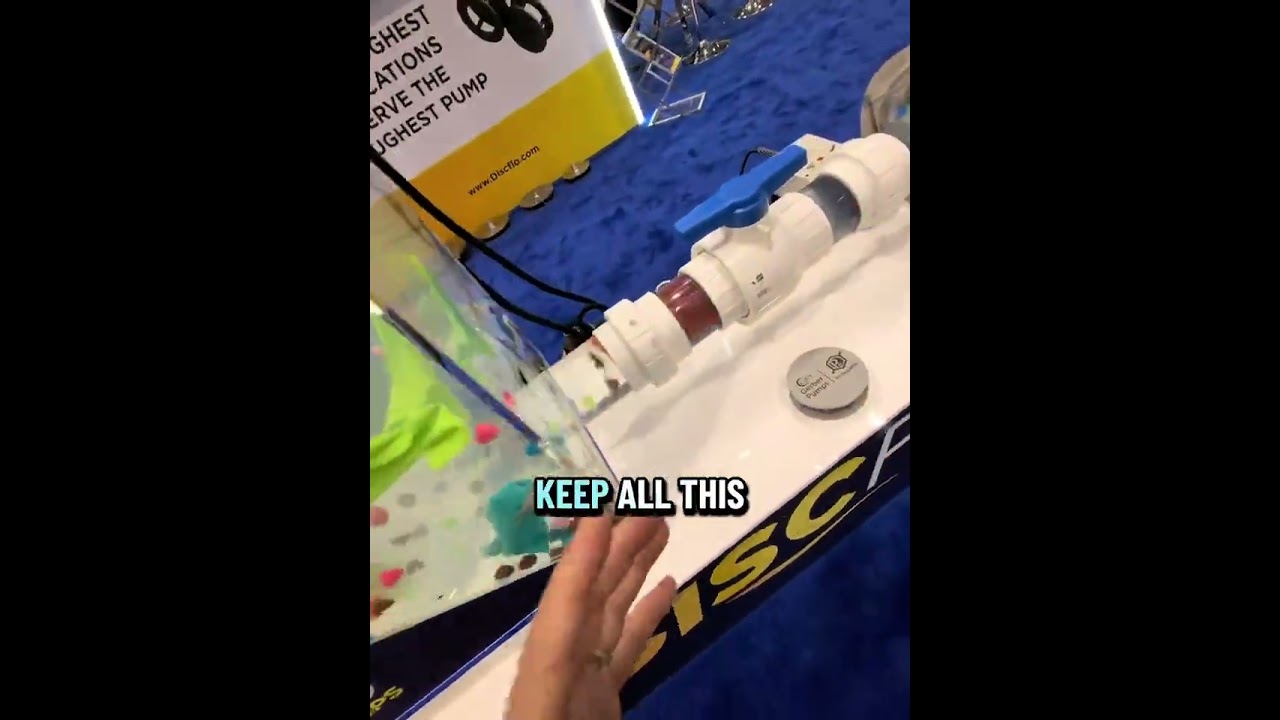
Most people never see what is actually moving through a sewer line. A display at the Discflo booth at WEFTEC offered a rare look inside: wipes, rags, trash, tools and other debris mixed in with wastewater — even the kinds of animals that can end up in sewer systems. All…

View more
Oct. 5, 2026

How New Jersey Is Building a Statewide Lead Pipe Strategy

New Jersey has paired its 2031 lead-pipe deadline with an unusually active statewide effort to help communities complete the work. Deandrah Cameron, a policy manager at New Jersey Future, helps steer the Jersey Water Works Lead Service Line Implementation Workgroup. The coalition brings together utilities, state agencies, advocates and technical…

View more
Oct. 5, 2026

Connecting People To Conservation | Resilience In The Rockies

Colorado communities are treating public engagement as water infrastructure, using trusted messengers, targeted outreach, and practical programs to turn conservation strategies into action. The third episode of Resilience in the Rockies examines how Summit County, Boulder, and Aurora are reaching people who can determine whether water-saving programs actually work, plus…

View more
Oct. 5, 2026

The Hydro20 Celebration: See Who Is Making a Difference For Water

Hydro20 is waterloop’s national, year-long celebration of 20 individuals driving change, disrupting norms, and doing good for water sustainability. Selected through public nominations and a cross-sector committee, the honorees represent the remarkable range of people taking action now. waterloop travels the country to produce a short film about each individual…

View more
Oct. 4, 2026

This Is How Los Angeles Gets Water

Every day, hundreds of millions of gallons of water travel from California’s Eastern Sierra toward Los Angeles through one of the most consequential water infrastructure systems in the American West. The Los Angeles Aqueduct stretches more than 230 miles, ending its journey through the Cascades north of the city. On…

View more
Oct. 2, 2026

This Man Cleans Drinking Water For New Orleans

Turning Mississippi River water into drinking water takes skill, responsibility, and dedication. I spent a shift with Ed Azemas, a drinking water operator at the Sewerage & Water Board of New Orleans Algiers plant, seeing firsthand what he and his colleagues put into treating the water and getting it out…

View more
Oct. 1, 2026

Expanding Options for Better Water Infrastructure Projects

Water utilities are gaining more flexibility to choose project delivery methods suited to increasingly complex infrastructure work. Guy Voss, vice president and collaborative project delivery director at HDR and president of the Water Collaborative Delivery Association, says these approaches are expanding as utilities confront more infrastructure needs than available funding…

View more
Oct. 1, 2026

How Different Materials Can Filter Water Pollution

A filter can look pretty simple from the outside. What is inside it matters a lot. At the Johnson Screens booth at WEFTEC, I got a quick look at several types of filtration media used in water and wastewater treatment — including sand, activated carbon, and recycled glass. Each media…

View more
Sept. 30, 2026

Why Eagle County’s Turf Rebates Come With a Yard Plan

A rebate alone was not enough to persuade Eagle County homeowners to remove turf. Beyond Lawn pairs financial incentives with approximately two-hour property evaluations that examine both the landscape and every irrigation zone. Participants then receive a customized conservation report with a property map, water budget, irrigation schedule, plant recommendations,…

View more
Sept. 30, 2026

How Infractiv Predicts Water Pipe Failures Before They Happen

At nine years old, Harris Siddiqui stood in a California apartment and watched water flow from a faucet for the first time. After 18 years working in public water systems, Siddiqui saw a persistent problem from the other side of the tap: utility staff were responsible for thousands of buried…

View more